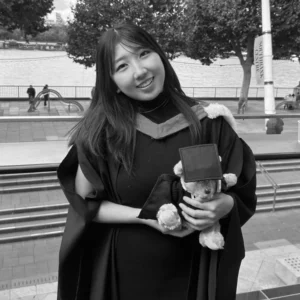
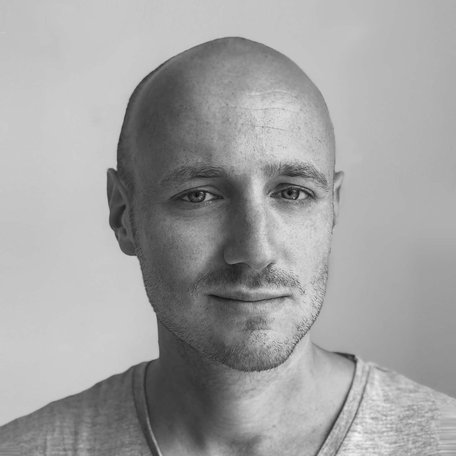
i turn complexity into clarity, and clarity into change.
From information visualiser to service designer, I'm a designer with an eye for the unobvious who listens to real people, explores messy problems and designs where stories meet systems.
i turn complexity into clarity, and clarity into change.
From information visualiser to service designer, I'm a designer with an eye for the unobvious who listens to real people, explores messy problems and designs where stories meet systems.
i turn complexity into clarity, and clarity into change.
From information visualiser to service designer, I'm a designer with an eye for the unobvious who listens to real people, explores messy problems and designs where stories meet systems.
Structured Mind. Empathetic Heart.
As a Structured Thinker &
Perceptive Designer.
Structured Mind. Empathetic Heart.
As a Structured Thinker &
Perceptive Designer.
My Education
Royal College of Art
MA Service Design
2024-2025
Nanjing University of the Arts
BA Data&Information Visualisation
2018-2022
01
Complexity to Clarity
The key role I play as a service designer in the team.
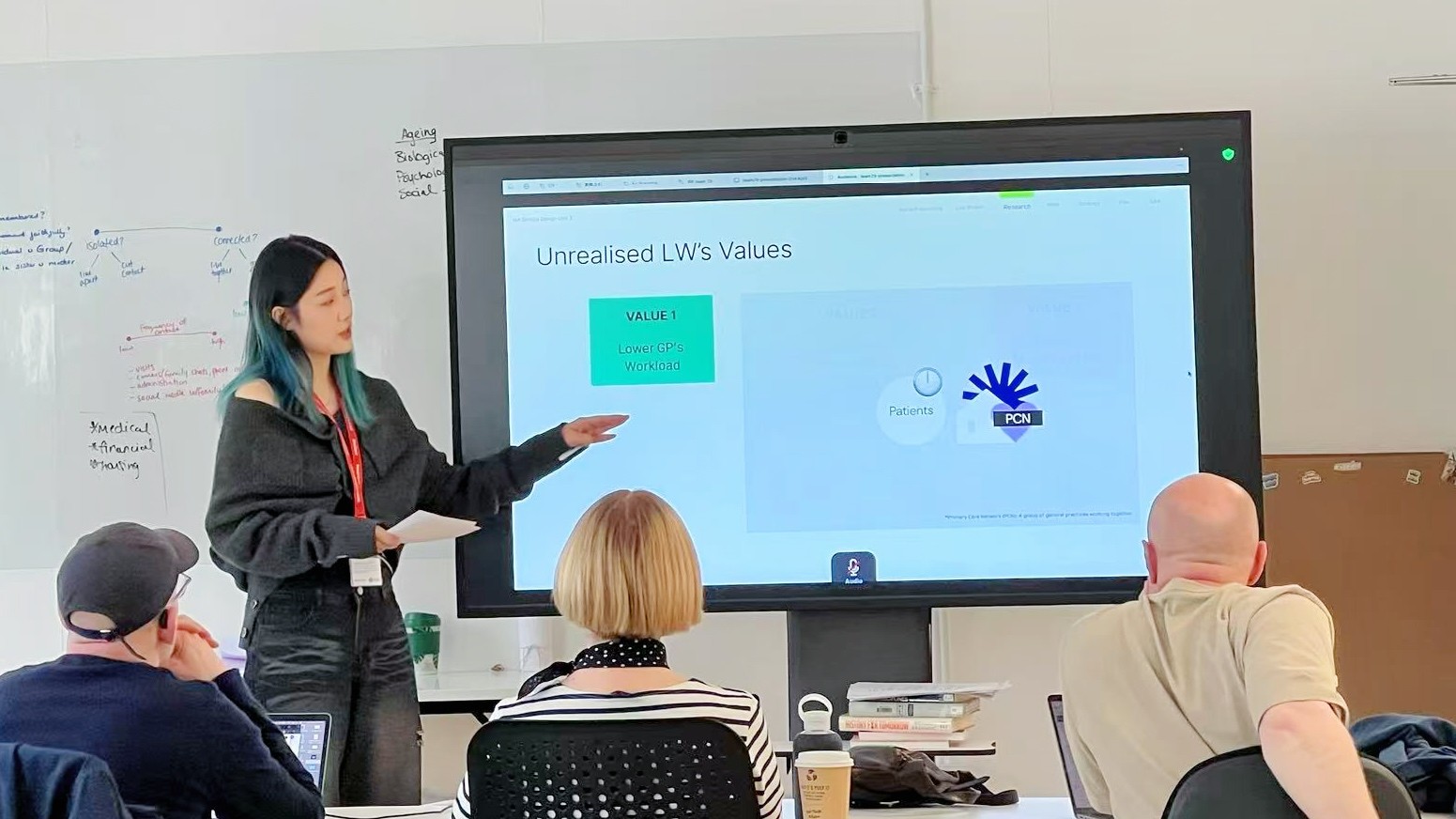
Thinking systematically applying service design methods and leveraging information visualisation to establish visual aids for understanding, analysing, co-designing and communicating between stakeholders.
Complexity to Clarity
The key role I play as a service designer in the team.
Thinking systematically applying service design methods and leveraging information visualisation to establish visual aids for understanding, analysing, co-designing and communicating between stakeholders.
02
Empathy and Curiosity
I love digging into problems with empathy, exploring opportunities through participatory research and curiosity, then weaving solutions with evidence.
Empathy and Curiosity
I love digging into problems with empathy, exploring opportunities through participatory research and curiosity, then weaving solutions with evidence.
03
The Third Perspective
Stepping back to view the project objectively, I leverage critical thinking to constantly challenge my own assumptions and reflect on the design process.
The Third Perspective
Stepping back to view the project objectively, I leverage critical thinking to constantly challenge my own assumptions and reflect on the design process.
My Education
Royal College of Art
MA Service Design
2024-2025
Nanjing University of the Arts
BA Data&Information Visualisation
2018-2022
My Education
Royal College of Art
MA Service Design
2024-2025
Nanjing University of the Arts
BA Data&Information Visualisation
2018-2022
"Understand users, Design experiences
that solve the real problems."
"Understand users, Design experiences
that solve the real problems."
"Understand users, Design experiences
that solve the real problems."
-Design Philosophy-
Projects
01
Social Prescribing Transition for Earlier Prevention
PARTNERSHIP: London Brent Council | DESIGN AT: Royal College of Art
Award
/ Helen Hamlyn Inclusive Design Awards 2025
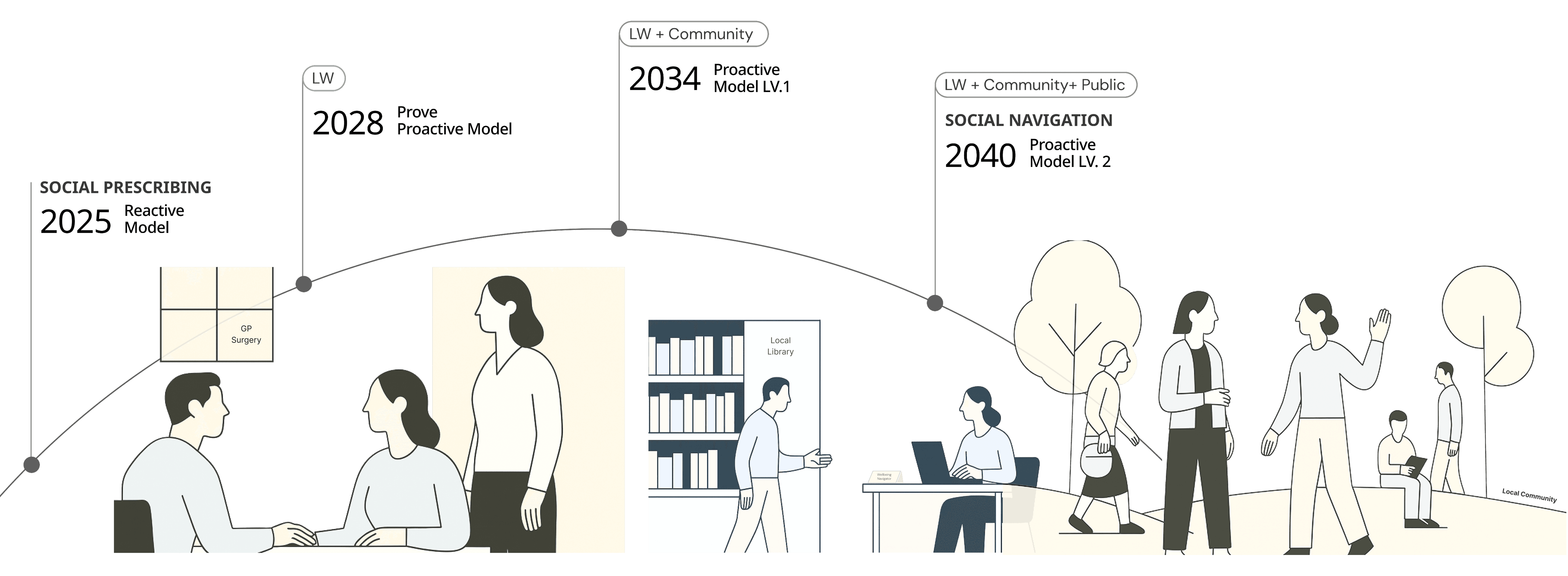
Redesigning the UK's Social Prescribing service based on the NHS long-term plan (2025-2035), transforming the service from reactive treatment to proactive community-based prevention.
Public Service
Service Design
NHS Healthcare
Duration: Feb - Jun 2025

02
London Canal Community Resilience
PARTNERSHIP: Canal Dream, Global Generation, The Floating Classroom | DESIGN AT: Royal College of Art
This case study created a co-creation model that empowers live-aboard residents to connect, collaborate, and shape their canal communities on their own terms.
Social Design
User Research
Non-profit orgs
Duration: Oct 2024-Jan 2025
03
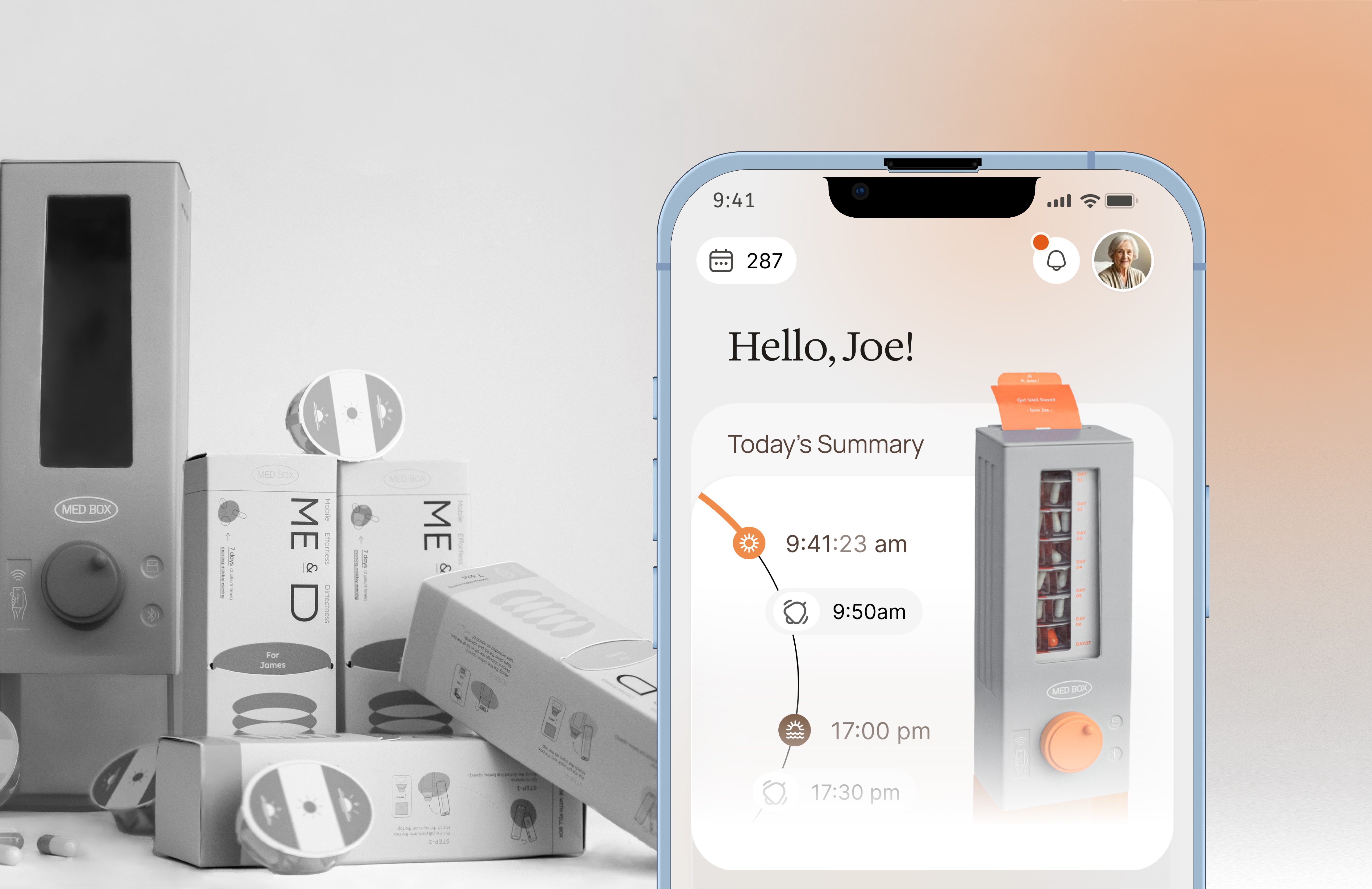
MEDBOX: Empathetic household medication ecosystem
INDEPENDENT RESEARCH PROJECT
650+
/ user participation in the discovery research
A holistic service-product system transforming cold clinical treatment into a visualised, emotionally connected family care experience, bridging the psychological and safety gaps between long-term patients and distant caregivers.
Healthcare
End-to-End Service Design
UIUX Design
Duration: Mar - Aug 2023
04
Grocery Personalised Choice
Case Study: ZOE Science & Nutrition | DESIGN AT: Royal College of Art
3 strategies
/ for boosting nutrition awareness
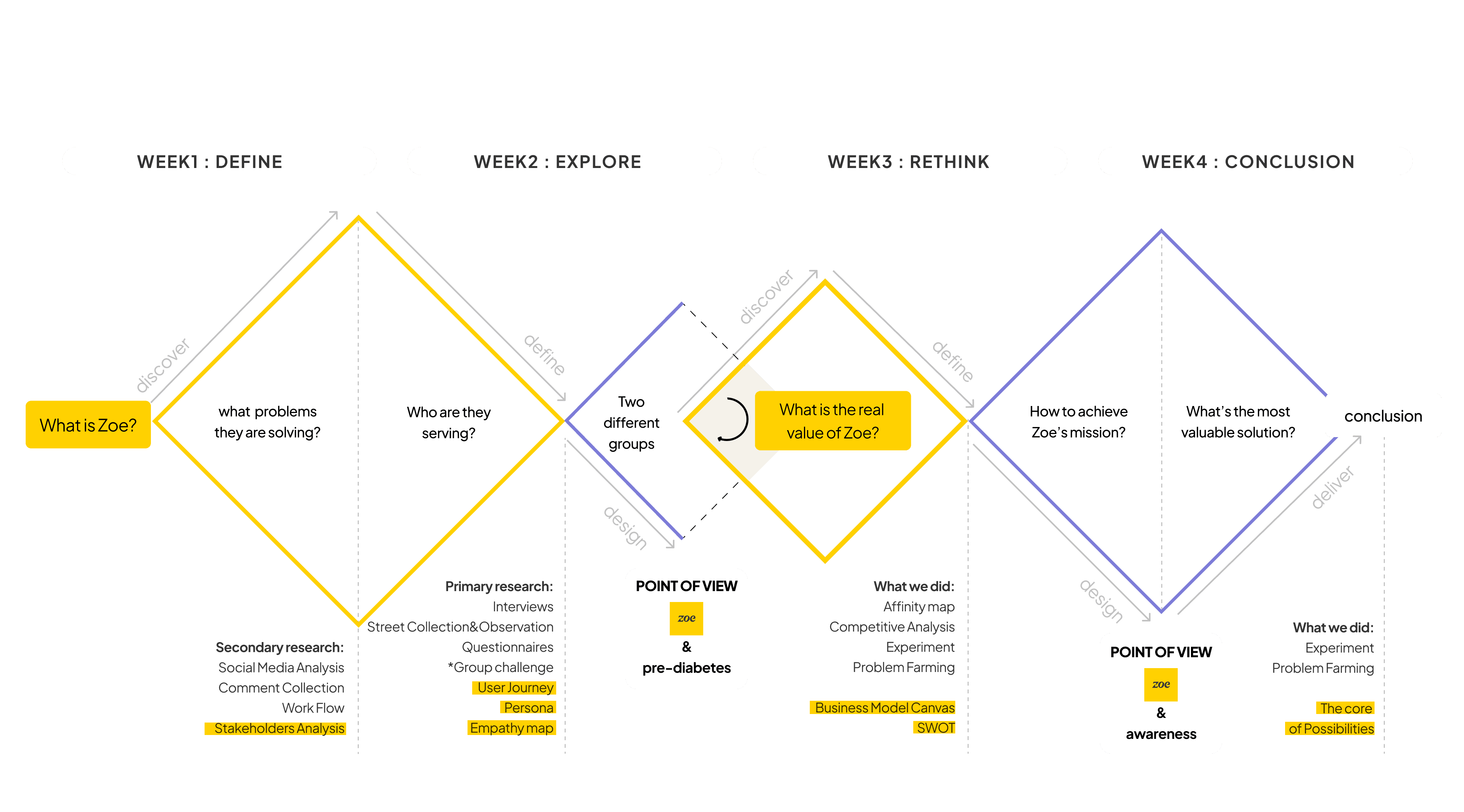
A 4-week case study using ZOE, the UK's leading personalised nutrition brand, as a critical lens, exploring the root causes of low user retention and the challenge of converting short-term users into long-term memberships, then translating those insights into business strategy and UX/UI ideation to increase the frequency of ZOE's presence in everyday food decisions (Food Traffic Light System).
Strategy Design
UX Research
Social Innovation
Duration: Sep - Oct 2025

05
Information Visualsation Collection
Coming Soon
A collection of information visualisation designs.
Design
Information Visualisation
Storytelling
Duration: 2020-2023
Projects
01
Social Prescribing Transition for Earlier Prevention
PARTNERSHIP: London Brent Council | DESIGN AT: Royal College of Art
Redesigning the UK's Social Prescribing service based on the NHS long-term plan (2025-2035), transforming the service from reactive treatment to proactive community-based prevention.
Public Service
Service Design
NHS Healthcare
Duration: Feb - Jun 2025
02
London Canal Community Resilience
PARTNERSHIP: Canal Dream, Global Generation, The Floating Classroom | DESIGN AT: Royal College of Art
This case study created a co-creation model that empowers live-aboard residents to connect, collaborate, and shape their canal communities on their own terms.
Social Design
User Research
Non-profit orgs
Duration: Oct 2024-Jan 2025
03
MEDBOX: Empathetic household medication ecosystem
INDEPENDENT RESEARCH PROJECT
A holistic service-product system transforming cold clinical treatment into a visualised, emotionally connected family care experience, bridging the psychological and safety gaps between long-term patients and distant caregivers.
Healthcare
End-to-End Service Design
UIUX Design
Duration: Mar - Aug 2023
04
Grocery Personalised Choice
Case Study: ZOE Science & Nutrition | DESIGN AT: Royal College of Art
A 4-week case study using ZOE, the UK's leading personalised nutrition brand, as a critical lens, exploring the root causes of low user retention and the challenge of converting short-term users into long-term memberships, then translating those insights into business strategy and UX/UI ideation to increase the frequency of ZOE's presence in everyday food decisions (Food Traffic Light System).
Strategy Design
UX Research
Social Innovation
Duration: Sep - Oct 2025
Projects
01
Social Prescribing Transition for Earlier Prevention
PARTNERSHIP: London Brent Council | DESIGN AT: Royal College of Art
Award
/ Helen Hamlyn Inclusive Design Awards 2025
Redesigning the UK's Social Prescribing service based on the NHS long-term plan (2025-2035), transforming the service from reactive treatment to proactive community-based prevention.
Public Service
Service Design
NHS Healthcare
Duration: Feb - Jun 2025
02
London Canal Community Resilience
PARTNERSHIP: Canal Dream, Global Generation, The Floating Classroom | DESIGN AT: Royal College of Art
This case study created a co-creation model that empowers live-aboard residents to connect, collaborate, and shape their canal communities on their own terms.
Social Design
User Research
Non-profit orgs
Duration: Oct 2024-Jan 2025
03
MEDBOX: Empathetic household medication ecosystem
INDEPENDENT RESEARCH PROJECT
650+
/ user participation in the discovery research
A holistic service-product system transforming cold clinical treatment into a visualised, emotionally connected family care experience, bridging the psychological and safety gaps between long-term patients and distant caregivers.
Healthcare
End-to-End Service Design
UIUX Design
Duration: Mar - Aug 2023
04
Grocery Personalised Choice
Case Study: ZOE Science & Nutrition | DESIGN AT: Royal College of Art
3 strategies
/ for boosting nutrition awareness
A 4-week case study using ZOE, the UK's leading personalised nutrition brand, as a critical lens, exploring the root causes of low user retention and the challenge of converting short-term users into long-term memberships, then translating those insights into business strategy and UX/UI ideation to increase the frequency of ZOE's presence in everyday food decisions (Food Traffic Light System).
Strategy Design
UX Research
Social Innovation
Duration: Sep - Oct 2025
05
Information Visualsation Collection
Coming Soon
A collection of information visualisation designs.
Design
Information Visualisation
Storytelling
Duration: 2020-2023